At the Cambodian Buddhist of Colorado (Wat Khemarak Puthearam) we believe in educating people about the different events that happen throughout the year, and why we celebrate each event. This page is dedicated to explaining why each event is important.
MEAKHA BOCHEA
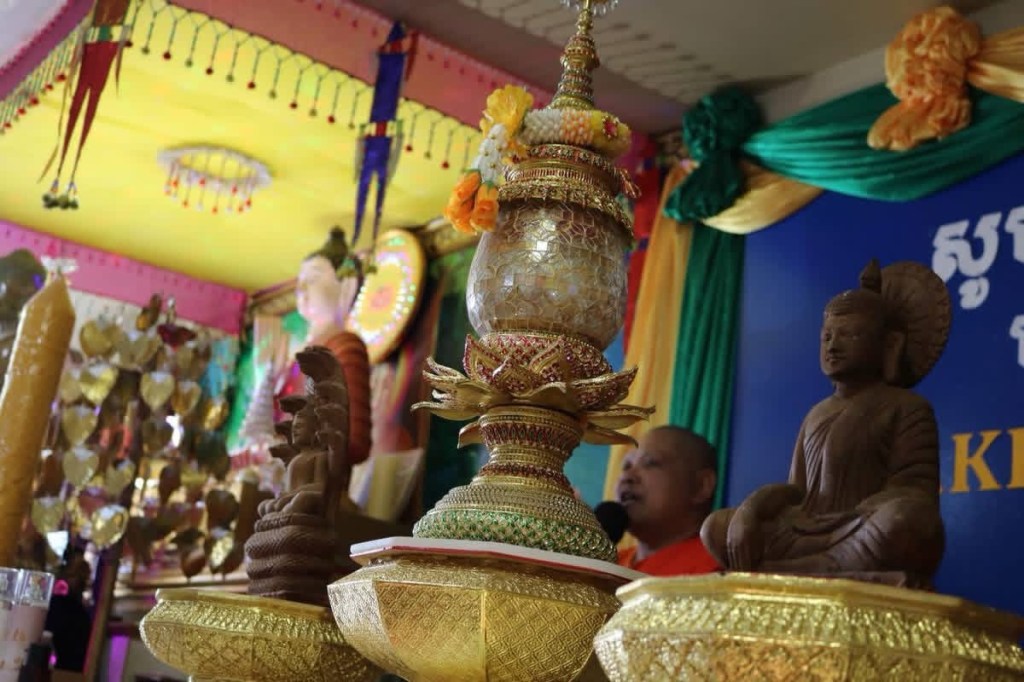
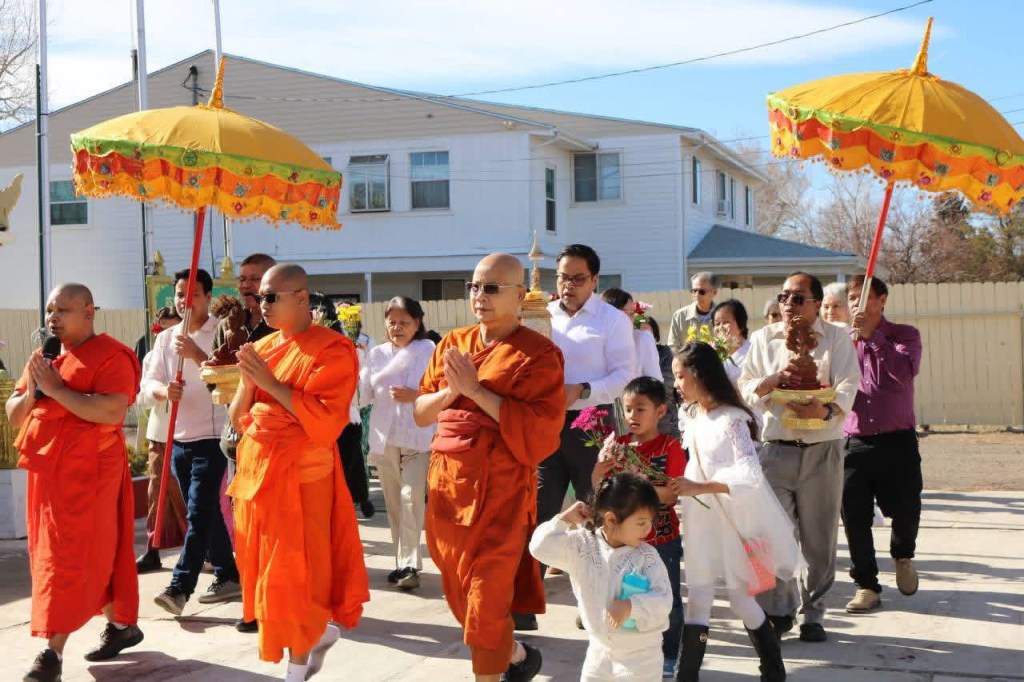
Meakha Bochea is also known as Sangha Day because it is the celebration of the Buddhist community both ordained and lay people. This is a Buddhist festival that is usually celebrated in February, and is celebrated to honor the Buddha and his teachings. The reason why this day is chosen is because this was when the Buddha gathered all his early disciples to hear his teachings, which can be seen in various images in Buddhism where monks gather around the Buddha. During Meakha Bochea people will go to Temples to give alms to monks, meditate, and listen to teachings, all of this is considered to be merit-making.
CAMBODIAN/KHMER NEW YEAR
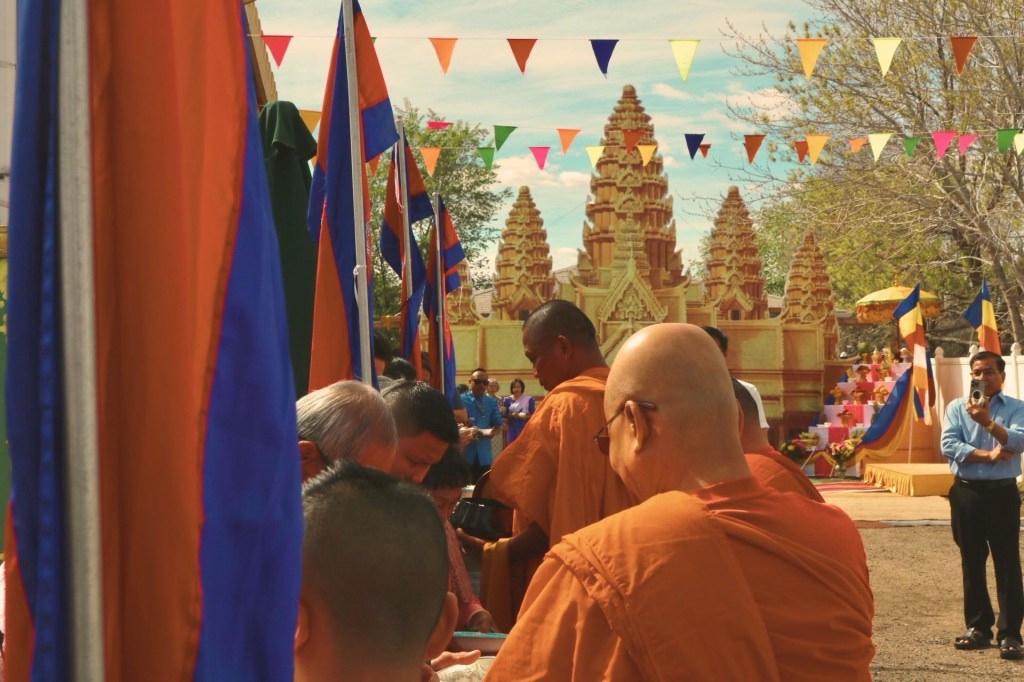
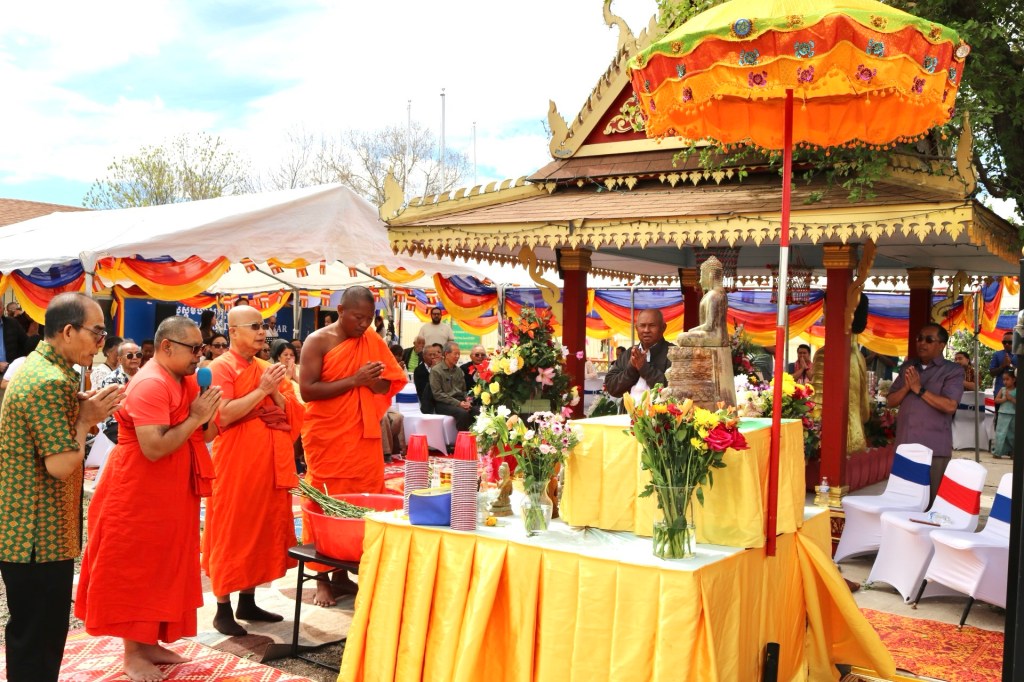
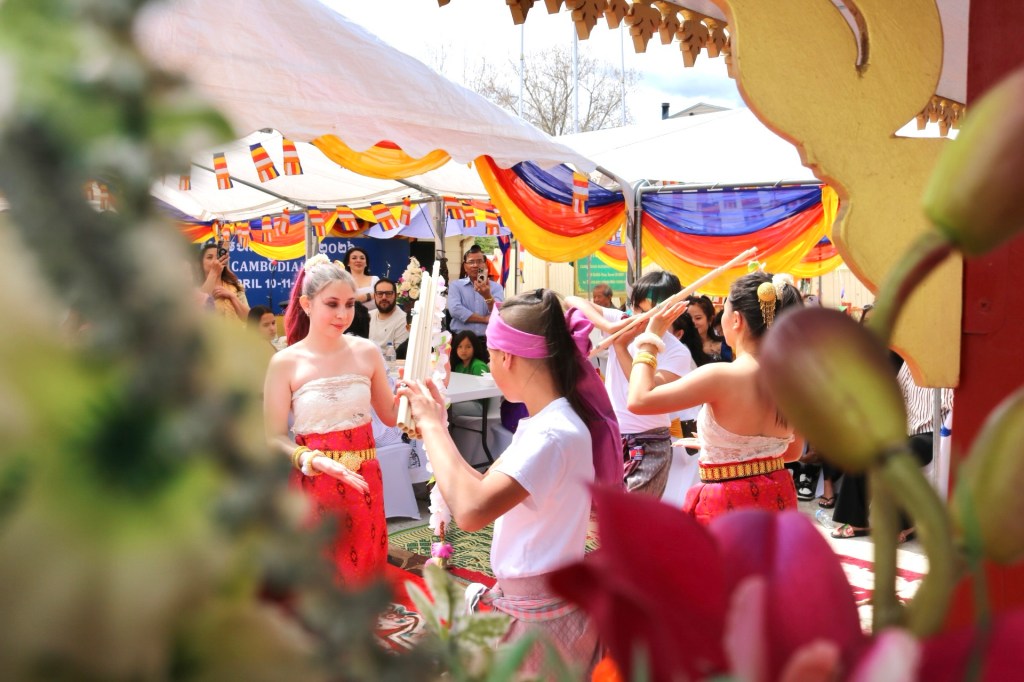
Cambodian New Year (Khmer New Year) is a three day event primarily held in April, which is used because it is the end date of the harvesting season, and also based on ancient horoscopes where a new “Angel” arrives for the upcoming year. Each day represents different aspects which include Moha Songkran on day one, Veareak Vanabat on day two, and Veareak Laeung Sak on day three.
Moha Songkran is the first day of celebration where it marks the day where people welcome the new Angel. We will know which Angel will land for the New Year based on whichever day the first day of Cambodian New Year starts. These Angels come from the myth of Kabil Mohar Prum, where each daughter has a duty each year to carry their father’s head. Kabil Mohar Prum lost a riddle contest to Dhammabal Koma and had to sever his own head. His head would cause fire, drought, ocean evaporation, and other disasters if it was dropped, which is why his daughters take turn every year. The Angels represents a fresh start and a clean slate from bad luck from the previous year.
Day
Angel Name
Vehicle
Adornment/Offerings
Sunday
Tungsa Tevy
Garuda
Wears pomegranate flowers; her color is red; she wears a ruby necklace; holds a shell in her left hand and a disc in her right hand; eats figs.
Monday
Koreak Tevy
Tiger
Wears Angkeabos flowers/jasmine flower; her color is orange-yellow or golden yellow; carries a sword in her right hand and a cane in her left hand; she wears pearl jewelry; eats oil.
Tuesday
Reaksa Tevy
Horse
Wears lotus flowers; her color is purple; carries a trident in her right hand and a bow in her left hand; consumes blood (which can be often substituted for things such as raw meat, red drinks, or red fruit.
Wednesday
Mondar Tevy
Donkey
Wears Champa flowers; her color is moss green; carries a needle in her left hand and a cane/staff in her right hand; consumes milk.
Thursday
Keriny Tevy
Elephant
Wears magnolia flowers; her color is dark green; carries a rifle/gun in her left hand and a hook/harpoon in her right hand; wears emerald jewelry; eats beans/sesame.
Friday
Kemira Tevy
Water Buffalo
Wears violet star lotus or water lily; her color is blue; carries a sword in her right hand and zither/harp in her left hand; wears topaz/yellow gemstones; eats bananas.
Saturday
Mohothareak Tevy
Peacock
Wears trokeat flower (water hyacinth); her color is dark purple; has blue sapphire jewelry; carries a disc of power in her right hand and a trident in her left hand; eats deer meat (usually substituted with dry beef/jerky).
Veareak Vanabat is the second day of celebration which is a day about family and charity. It’s about caring for one another and expressing gratitude to parents, grandparents, and the less fortunate through gifts or services. It’s about the celebration of life and being together.
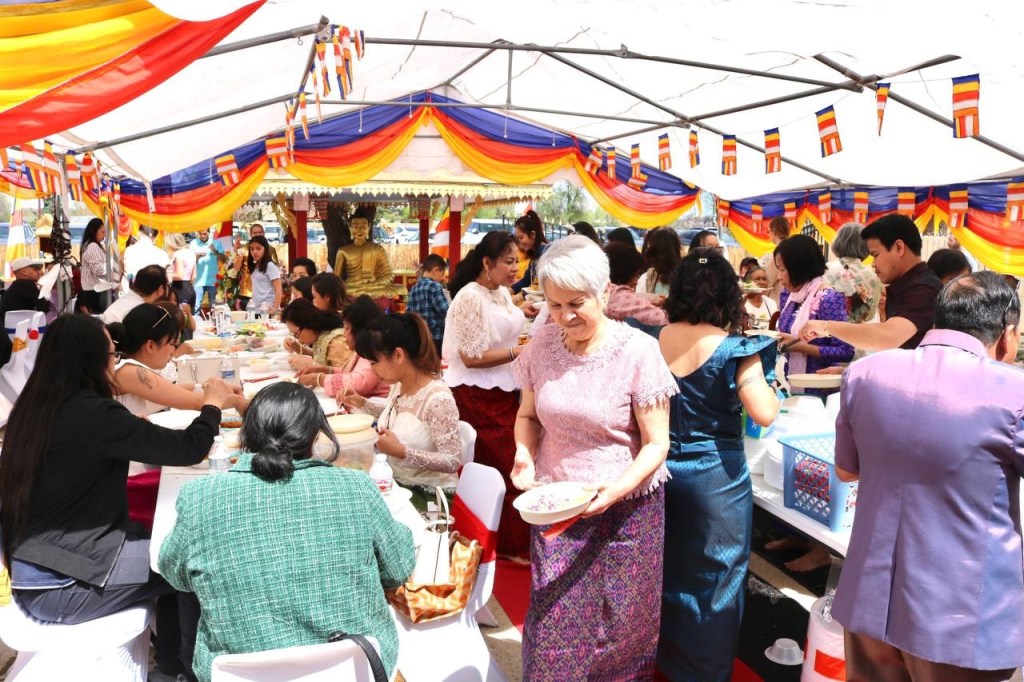
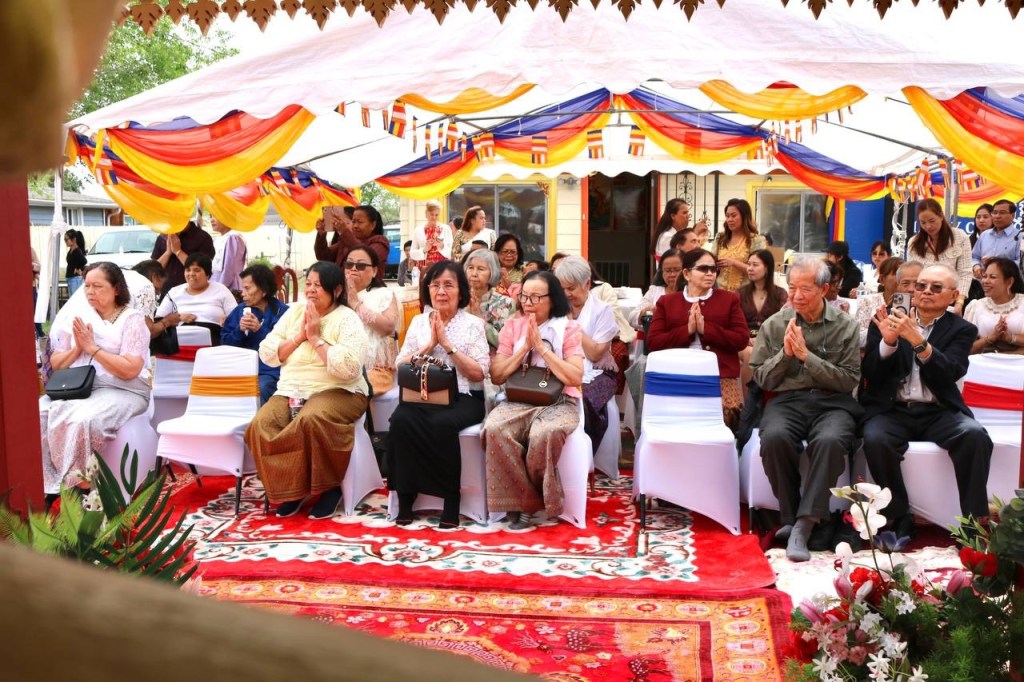
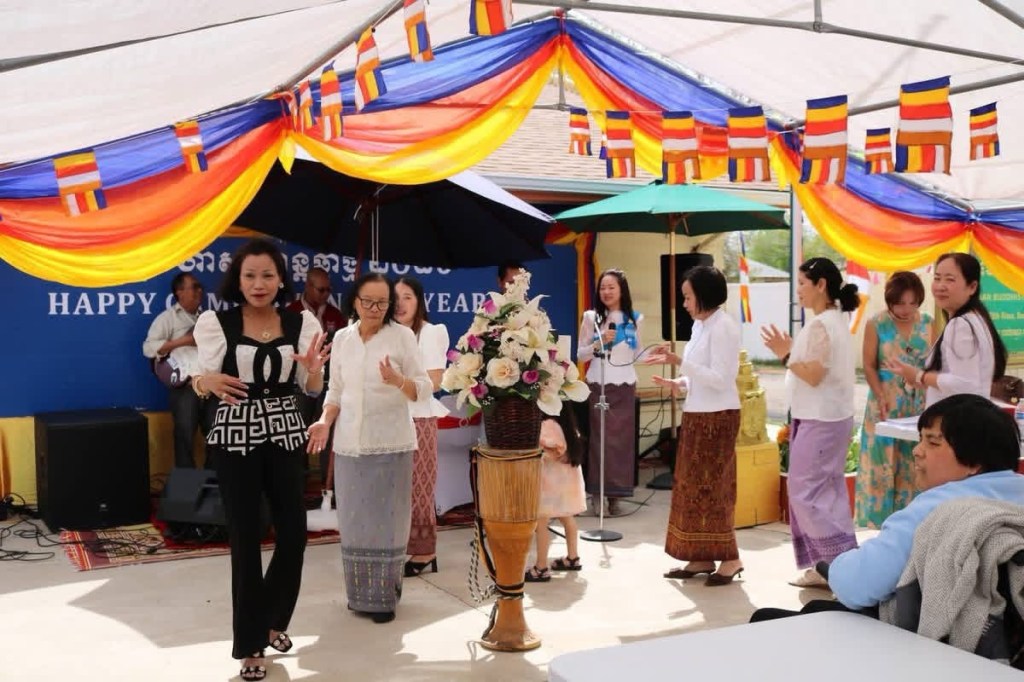
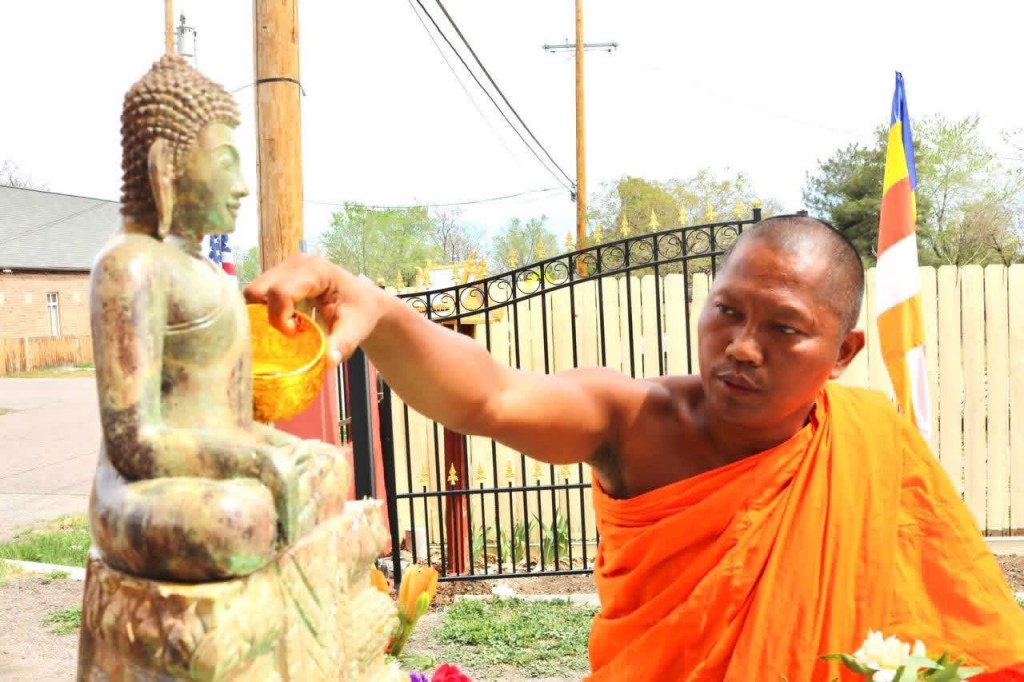
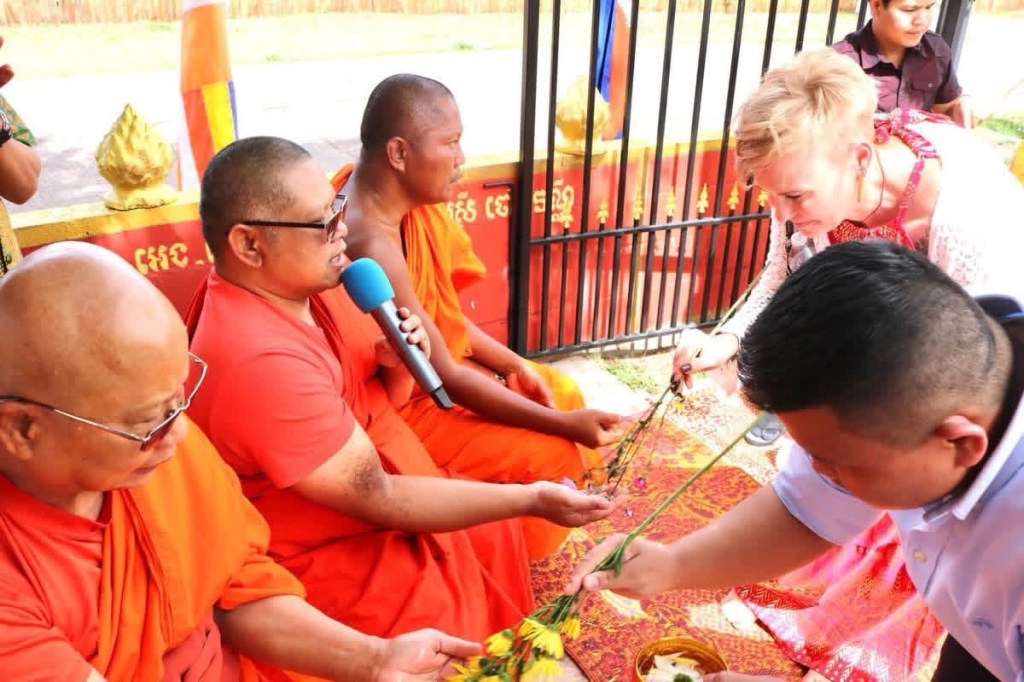
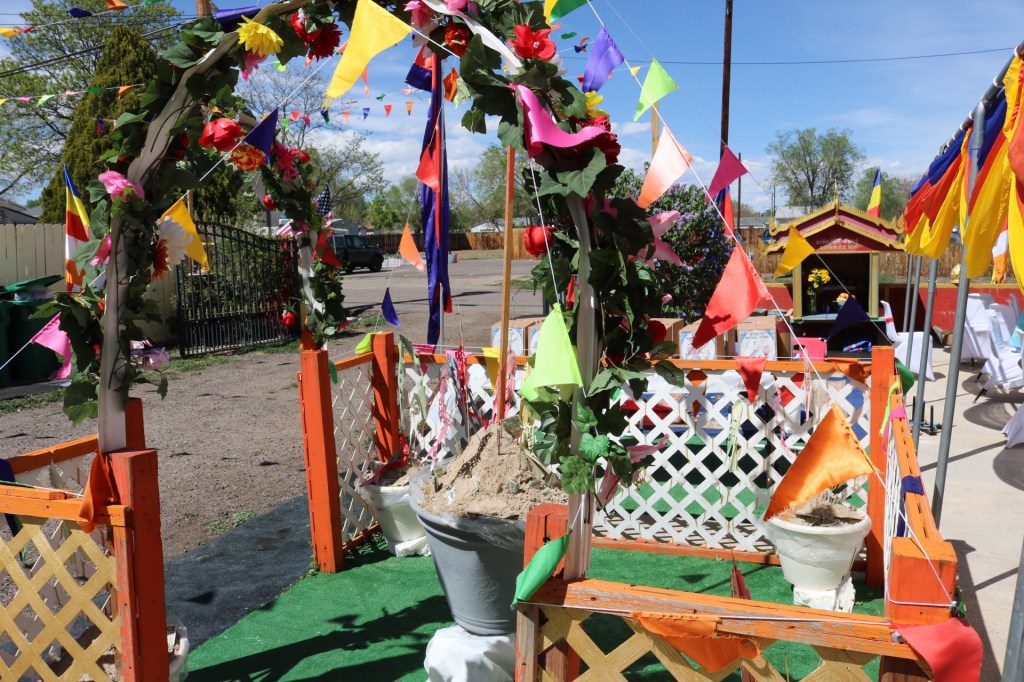
Veareak Laeung Sak is the third and final day of the New Year celebration which is a day that includes bathing Buddha statues with scented water to wash away bad deeds and bring good luck for the new year. You also wash hands and feet of parents, grandparents, and monks as a sign to show gratitude, receive blessings, and as way to show forgiveness for past mistakes. Sand mountains also known as phnom khsach at Temples are also important because it symbolizes success and longevity.
VISAKHA BOCHEA
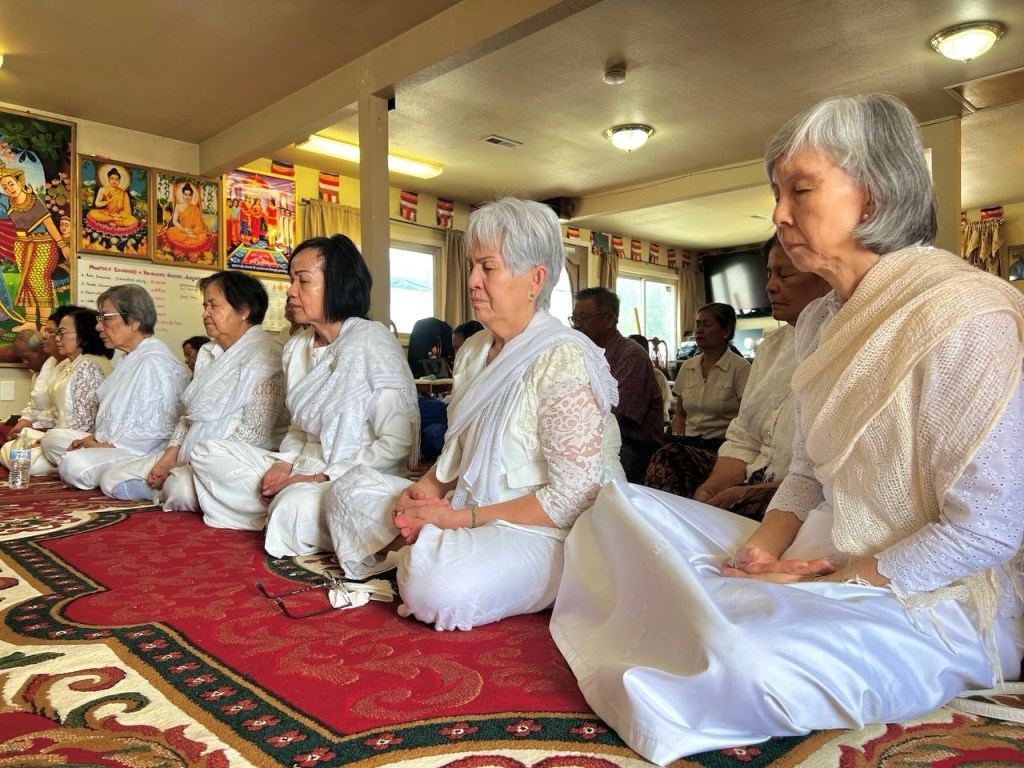
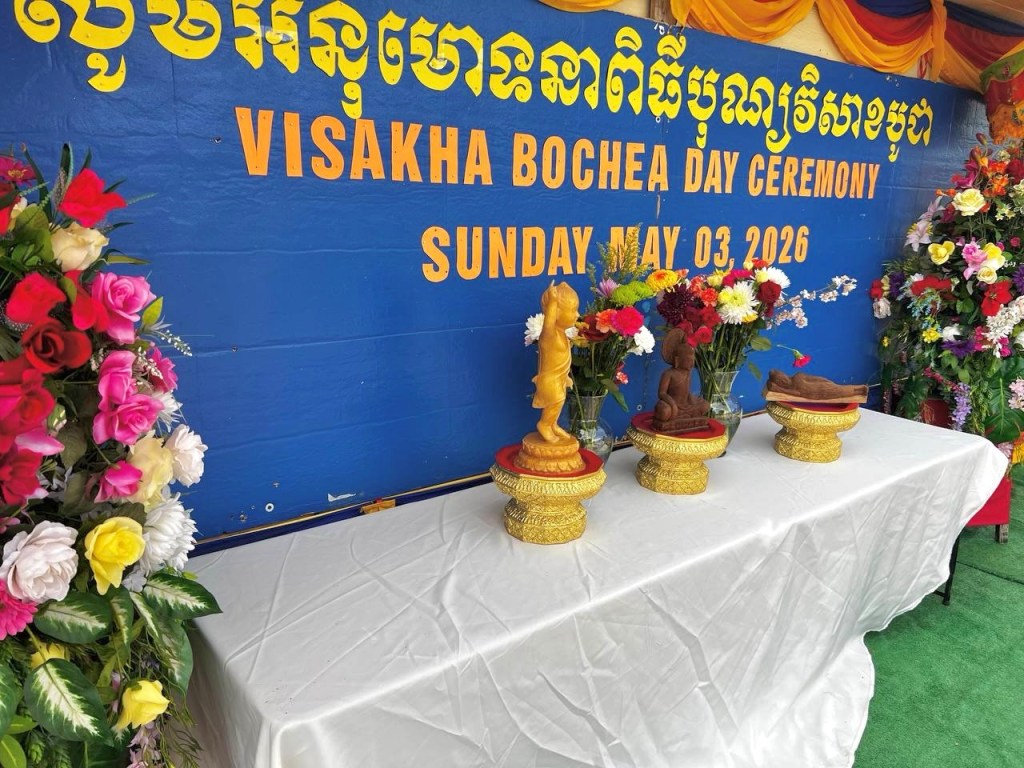
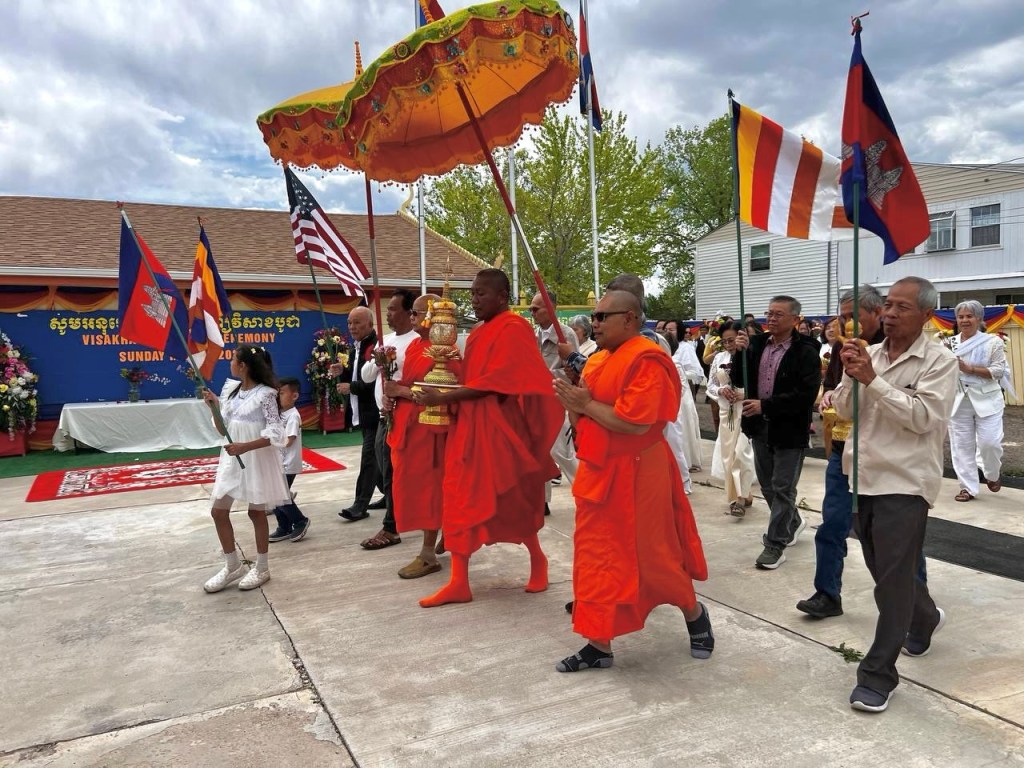
Visakha Bochea is also known as Buddha Day and is by far the most important Buddhist holiday because it represents the birth, enlightenment, and Nirvana of the Buddha. This holiday is primarily celebrated in May because it represents Nirvana also known as the date of the Buddha’s death which is on the full moon of the 6th lunar month.
BONN PHKA PRAK (UNITED FLOWER FUNDRAISING CEREMONY)
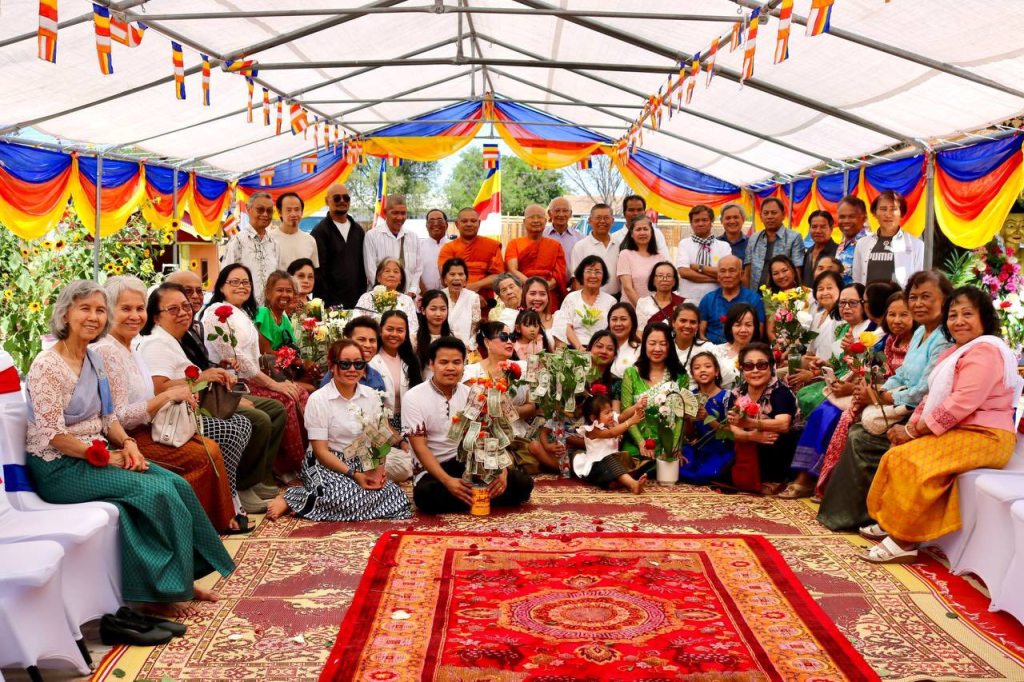
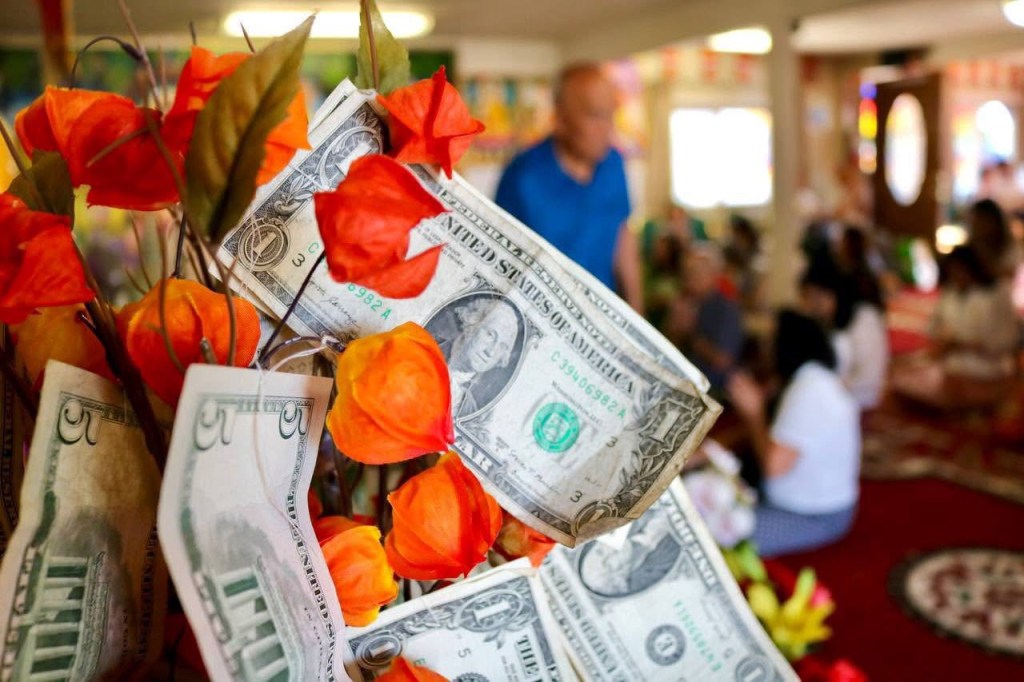
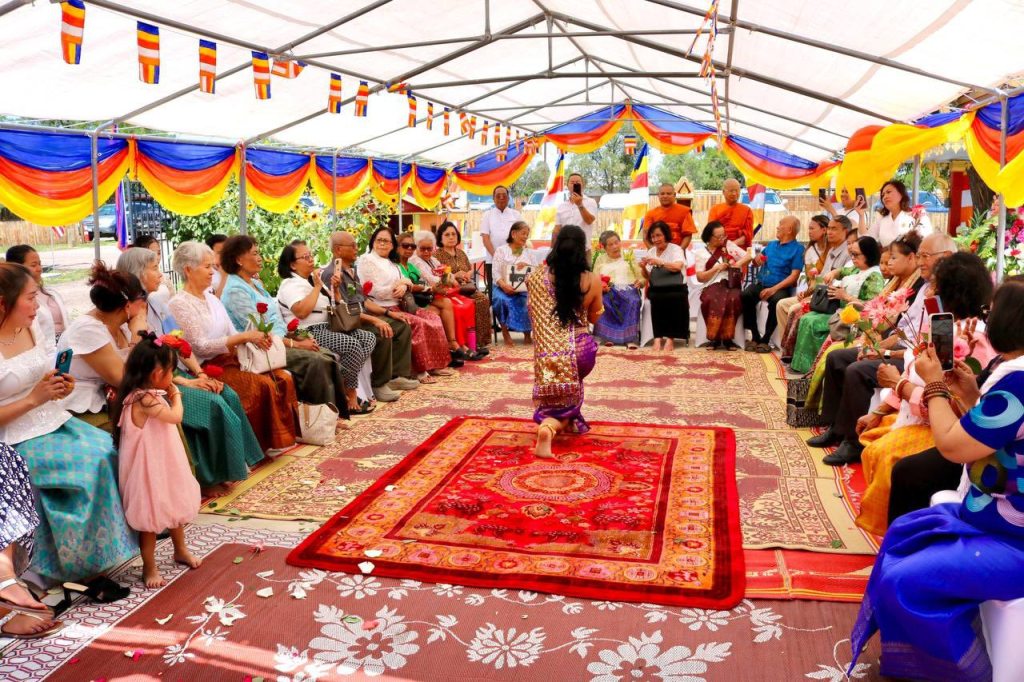
Bonn Phka Prak is an event that people make donations to the Temple by making their own “money flowers” or “money trees”. This is part of the merit-making aspect where the donations is an act of physical and spiritual merit in their generosity for not just themselves but for their ancestors. This is an event that is community based allowing people to come together to continue to build the Temple with renovations, expanding the Temple, and the overall improvement of the place of worship to continue to help give back to the community for the present and future.
PCHUM BEN
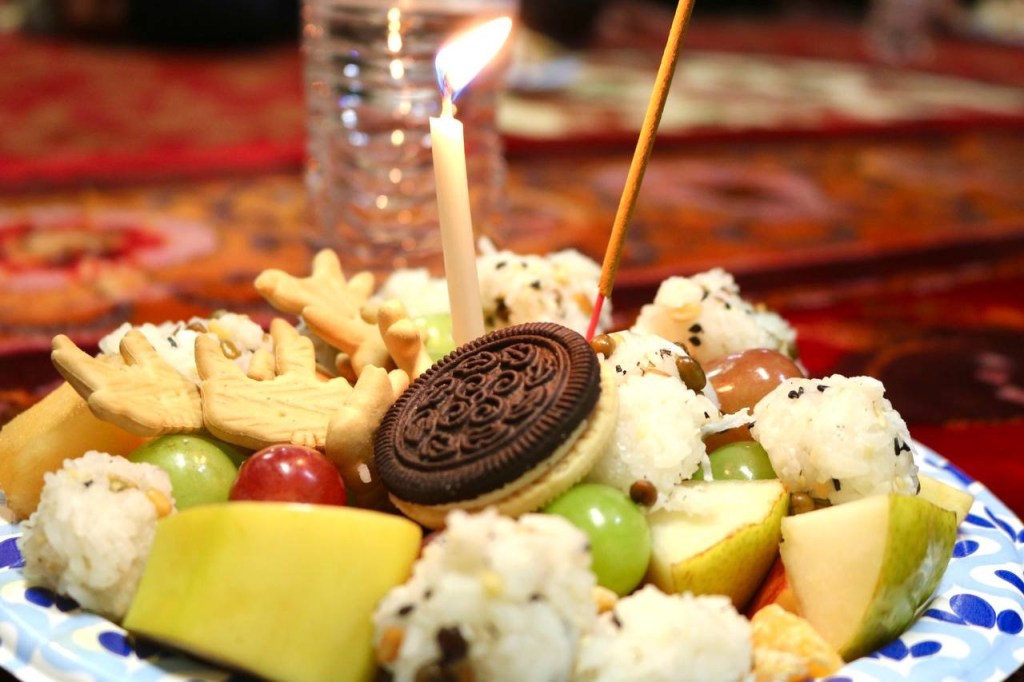
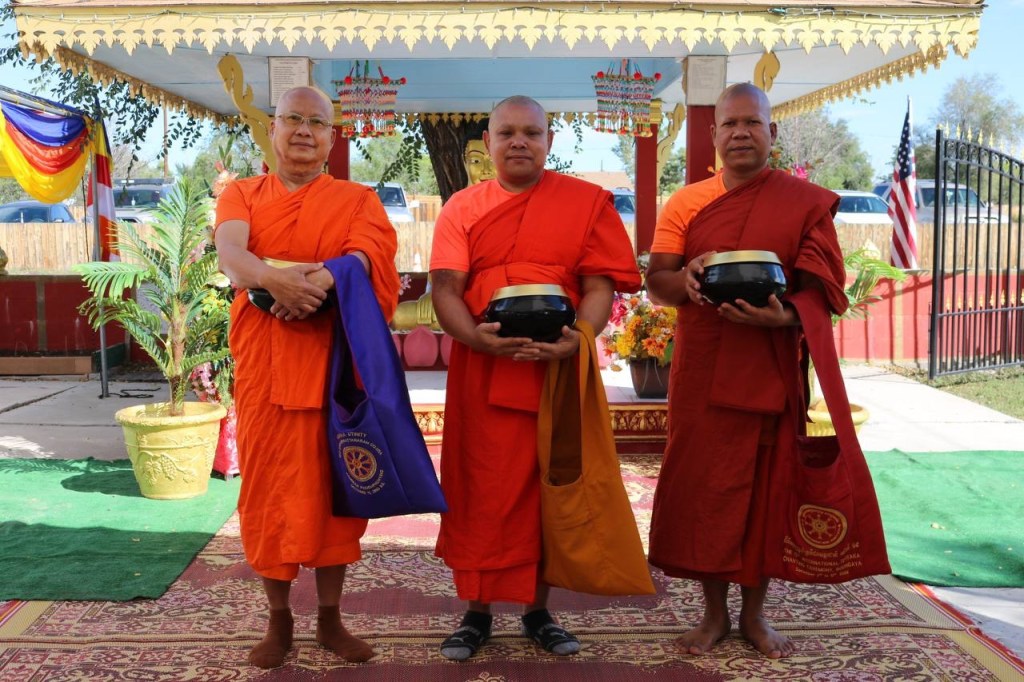
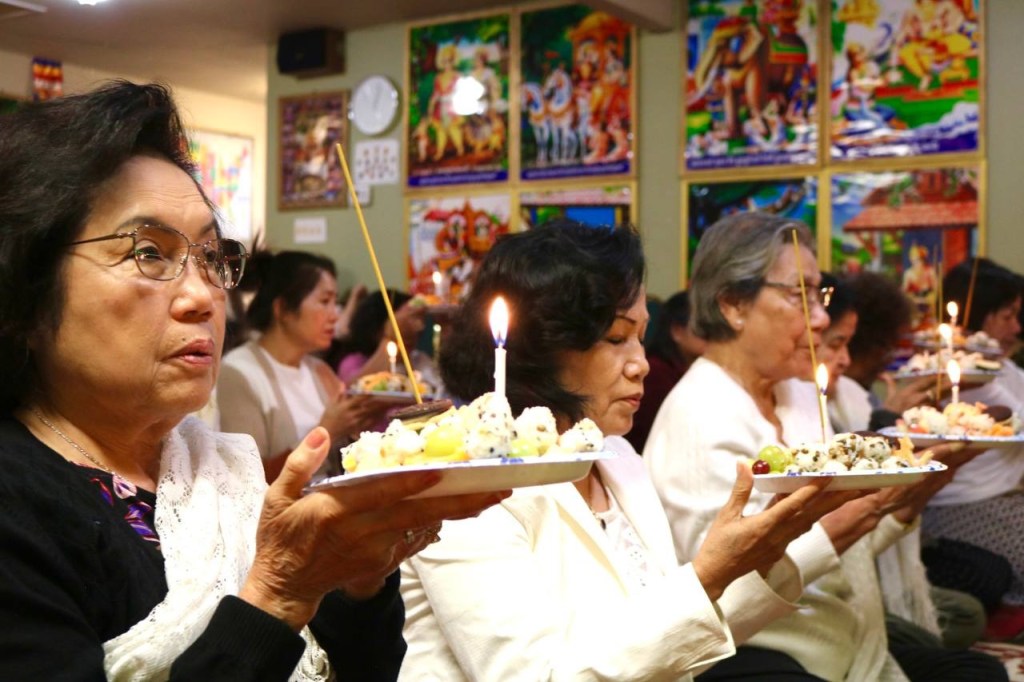
Pchum Ben is also known as Ancestor’s Day which is a 15 day event that is usually held around September and October. The purpose of this event is to pay respects to our deceased ancestors, and is part of merit-making where karma will be seen as a way to help the relieve the sufferings of spirits who are stuck in purgatory also known as hungry ghosts, and can’t move onto the next life. It is one of the oldest traditions for Cambodians dating back to the Angkorian period which is rooted in animism, where it intertwined with Buddhist practices over time.
There are multiple aspects of Pchum Ben, the first is Kan Ben, where the first 14 days of the festival has people coming to the Temple each day to offer food for the monks called Kan Ben where the monks will help facilitate and bridge the gap between the physical world and the spiritual world. Bai Ben are rice balls that are made into small round balls and thrown around the Pagoda grounds before dawn to feed the spirits as the monks chant. The 15th day is the final day of the festival where it culminates where people come together at the Temple to honor their ancestors and support the monks for helping their ancestors during this time.
KATHIN
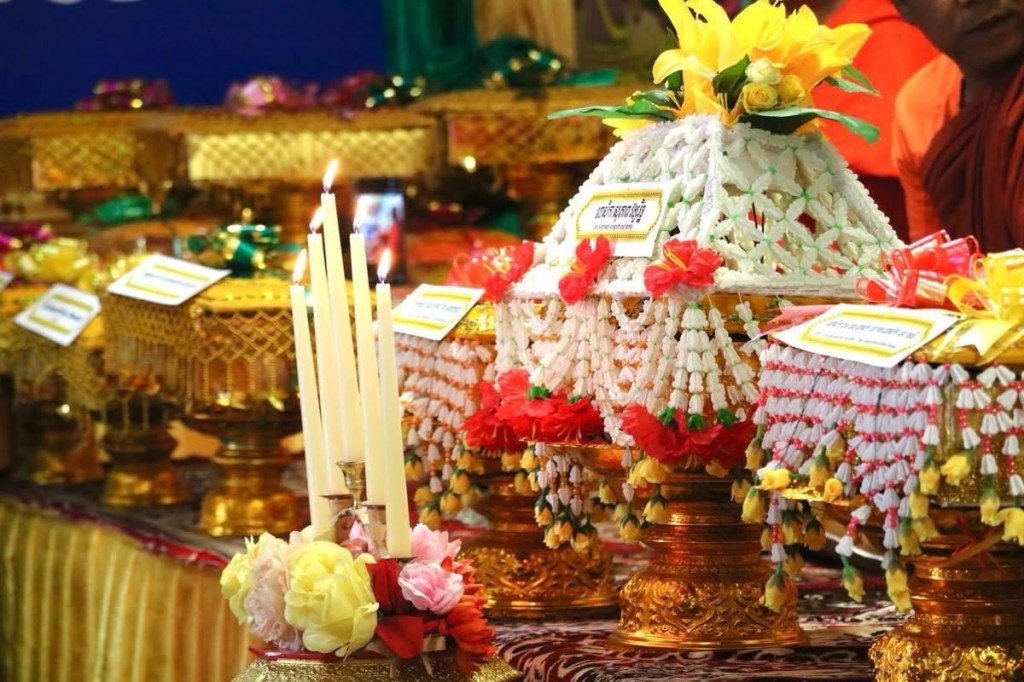
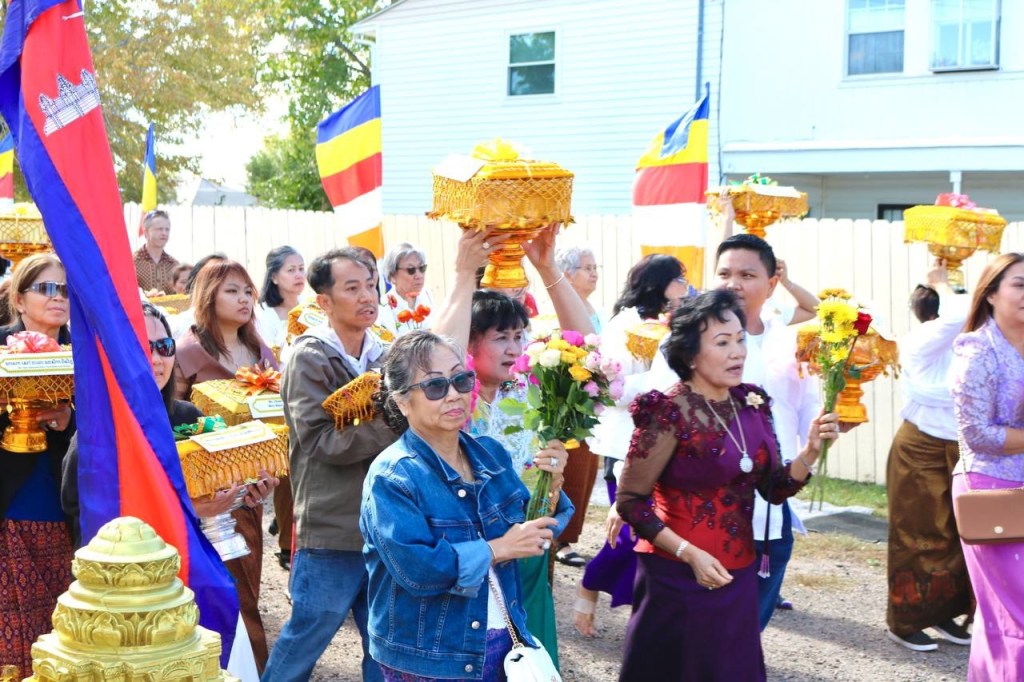
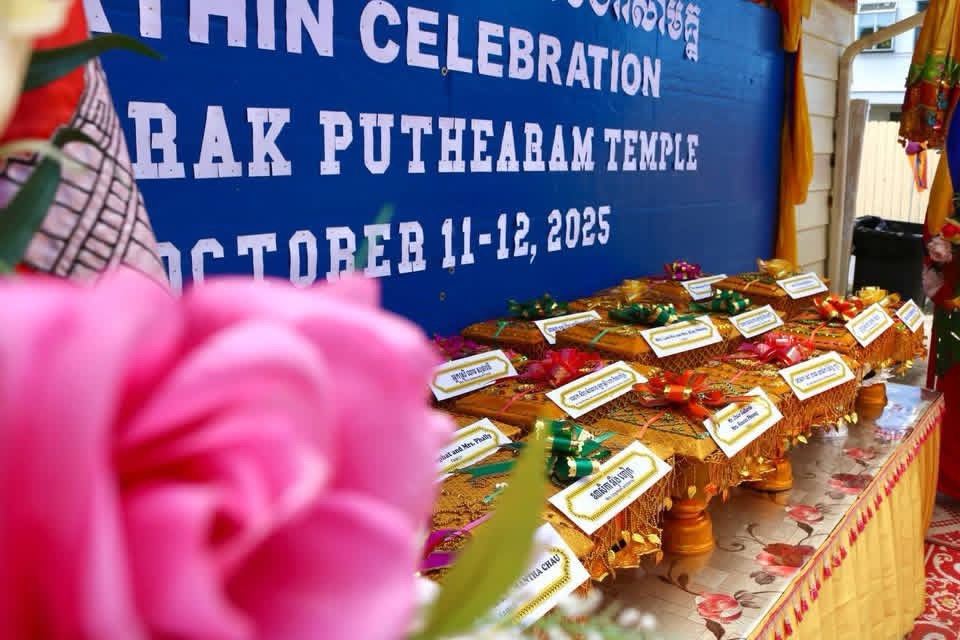
Kathin is a major Buddhist festival where it marks the end of Vassa also known as Buddhist lent, which is a 3 month long retreat during the rainy season from July to October for Monks. This festival usually takes place between October and November, and is primarily about gratitude, community, respect, and generosity where the laypeople offer robes to monks as a way to show respect after the rainy season ends.

